Early water experiences help little swimmers feel safe, capable and ready for each next step.
For babies, classes encourage body awareness, secure attachment and relaxed familiarity with water on the face, ears and body.
For toddlers, lessons introduce turn-taking, listening, safe entries, safe exits and the confidence to try new movements.
For pre-school children, the focus gradually shifts towards independence, stronger kicking, floating and readiness for school-age lessons.
Early swimming helps to round out and develop a baby’s personality. Cautious babies learn to accept risk while boisterous babies learn to be more prudent. As babies discover they can propel themselves in the water, their independence and self-confidence increases.
Water offers them an early opportunity to respond to the unexpected.
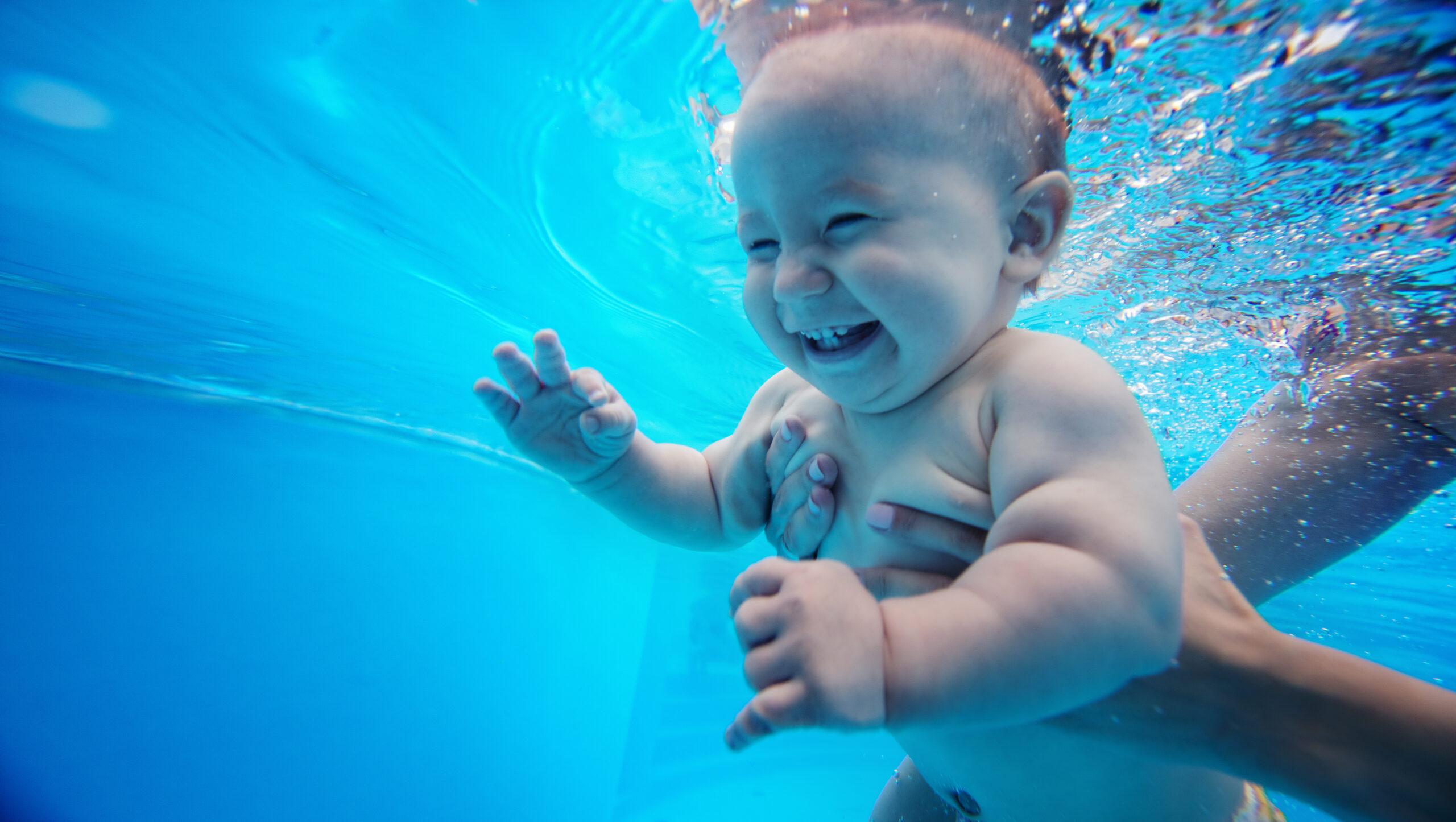
Baby and toddler swimming can support physical development, water safety, social confidence and precious bonding time with parents or carers.
Whether your little one is relaxed, cautious or completely new to swimming, BabyH2O will help them build confidence in small, positive steps.
A few quick answers for families thinking about starting lessons in Sutton or Cheam.
BabyH2O welcomes little swimmers from 3 months old through to school age. Classes are grouped around age, confidence and stage so children can learn at a pace that feels calm and achievable.